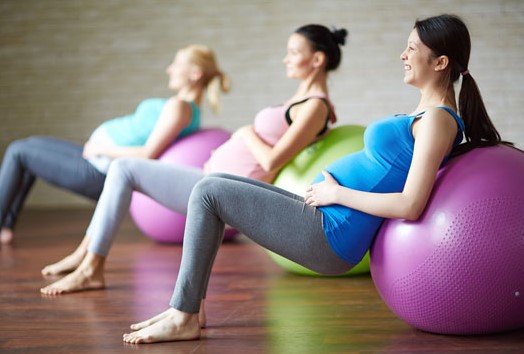
The moment the pregnancy test shows a positive result, your world spins on a brand-new axis. Suddenly, well-meaning friends, relatives, and even strangers on the street start bombarding you with conflicting advice. “Don’t lift that grocery bag,” “Make sure you rest for two,” or “Elevate your feet until the baby arrives.” It is incredibly easy to feel like your body has suddenly been classified as fragile glass.
In my ten years of health writing, pre-natal wellness consulting, and working alongside clinical exercise physiologists, I have seen a massive paradigm shift in how we view maternal health. For decades, outdated medical wisdom treated pregnancy like a nine-month medical confinement.
But out in the field, we know the exact opposite is true. Unless you are managing a high-risk medical condition, your body is not fragile—it is undergoing the ultimate metabolic marathon. Engaging in a structured pregnancy fitness routine is one of the most proactive investments you can make for your own stamina, your mental resilience, and the long-term metabolic health of your baby. Let’s look at how to navigate movement safely and confidently across every trimester.
The Biomechanics of Gestation: Why Movement is Essential
To design a safe workout routine, we need to look under the hood at the radical physiological adaptations occurring inside your body. Within weeks of conception, your blood volume increases by nearly 50%, your resting heart rate climbs, and your placenta secretes a powerful hormone called relaxin.
Think of relaxin like a natural, systemic fabric softener. Its job is to loosen your pelvic ligaments to allow your body to expand as the baby grows and eventually passes through the birth canal.
+-------------------------------------------------------------+
|               THE GESTATIONAL ANATOMY SHIFT                 |
+-------------------------------------------------------------+
| Surge in Relaxin ──> Loosens Ligaments ──> Unstable Joints  |
|                                                    │        |
| Premium Core Protection <── Strengthen Muscles <───┘        |
+-------------------------------------------------------------+
However, relaxin doesn’t just target your pelvis; it softens all your joints, from your knees to your shoulders. This makes your joints slightly less stable and more vulnerable to sprains. A precise pregnancy fitness strategy balances this structural loosening by strengthening the surrounding skeletal muscles to keep your spine, hips, and core protected.
Tailoring Workouts by Trimester: A Strategic Framework
What works beautifully in week 8 might feel completely impossible by week 32. A successful exercise matrix must adapt to your changing center of gravity and energy levels.
1. The First Trimester: Managing Fatigue and Nausea
During the first 12 weeks, your body is working overtime to construct the placenta. You might feel a level of deep exhaustion you’ve never experienced before, coupled with morning sickness.
-
Do not feel pressured to hit high-intensity milestones.
-
Focus on low-impact, sustainable movement like brisk walking, prenatal yoga, or swimming.
-
Swimming is highly recommended because water naturally supports your shifting body weight, instantly taking the pressure off your aching lower back.
2. The Second Trimester: The Sweet Spot of Strength
Often called the honeymoon phase of pregnancy, your energy typically rebounds during weeks 13 to 27. This is the optimal window to build muscular endurance. Incorporate bodyweight squats, modified push-ups, and light resistance band training to strengthen your posterior chain—the glutes, hamstrings, and upper back muscles that counteract the forward pull of your growing belly.
3. The Third Trimester: Preparing for Labor Delivery
By the final stretch, your lung capacity is slightly compressed because your uterus is pushing upward into your diaphragm. Workouts during this phase should pivot completely toward pelvic floor mobility, hip opening, and functional stamina.
| Fitness Category | Ideal Third-Trimester Move | Biological Purpose |
| Mobility | Cat-Cow Stretches | Relieves lumbar pressure and keeps spine fluid |
| Strength | Wall Squats | Builds quadricep stamina needed for labor positions |
| Pelvic Floor | Diaphragmatic Breathing | Coordinates the release and contraction of deep core |
Core Infrastructure: Mastering the Deep Core Connection
Many beginners assume that core workouts are completely off-limits during pregnancy. In reality, a strong core is your absolute best defense against lower back pain and a severe abdominal separation known as diastasis recti.
However, you must retire traditional crunches and sit-ups. Traditional forward-flexion movements put excessive intra-abdominal pressure on your abdominal wall, pushing your connective tissue (linea alba) to its breaking point.
Instead, prioritize deep transverse abdominis (TVA) engagement. Imagine your TVA muscle as an internal, natural corset wrapping completely around your midsection. Every time you exhale, imagine pulling your belly button gently inward toward your spine, “zipping up” your baby to stabilize your pelvis.
Expert Advice: Hidden Safeguards for Pre-Natal Wellness
Before you tie up your running shoes or lay down your yoga mat, let me share two crucial pieces of clinical insight that keep your maternal workouts safe and highly effective:
The Talk Test Protocol: Forget about calculating your target heart rate zones on a smartwatch. Hormonal changes make your resting heart rate highly unpredictable during pregnancy. Instead, rely on the “Talk Test.” You should always be working at an intensity level where you can maintain a comfortable, full-sentence conversation while exercising. If you are gasping for air between words, your body is shunting oxygen away from your uterus—slow down immediately.
-
The Vena Cava Alert: After week 16 of your pregnancy, completely avoid exercising flat on your back for extended periods. The sheer weight of your growing uterus can compress the inferior vena cava, a major vein that returns blood from your lower body to your heart. This compression can cause a sudden drop in blood pressure, leading to dizziness, nausea, or a reduced oxygen flow to the placenta. Use a wedge pillow or a fitness bench to keep your upper body elevated at a 45-degree angle instead.
Conclusion
Optimizing your movement template during pregnancy isn’t about setting personal lifting records or bouncing back to a pre-pregnancy shape immediately after birth. It is about honoring the incredible strength of your body and intentionally preparing yourself for the physical demands of parenthood. By building a compassionate, technically sound pregnancy fitness routine, you keep your joints protected, clear your mind of stress, and set a beautiful foundation of health for your family.
Are you navigating exercise during your first trimester right now, or are you trying to figure out how to modify your favorite strength routine for a growing bump? Let’s talk training modifications—drop your current week and questions in the comments section below!