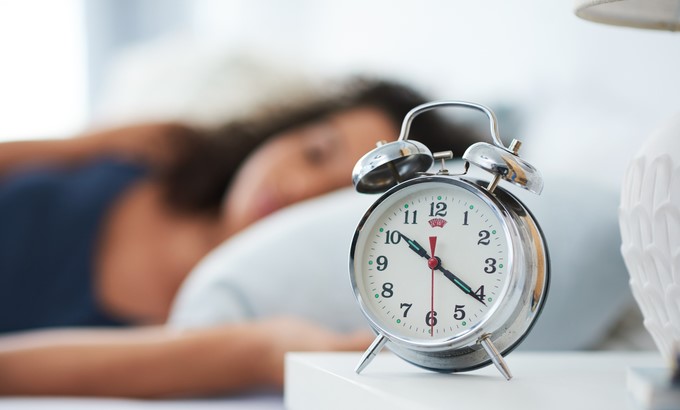
Imagine waking up after a solid ten hours of uninterrupted sleep, only to feel as though you’ve been sedated. You drag yourself to the kitchen, pour a double shot of espresso, but within two hours, your eyelids feel like lead weights again. You find yourself nodding off at your desk, during a red light while driving, or right in the middle of a conversation with your partner. This isn’t the typical “afternoon slump” or standard Monday morning fatigue—it is a crushing, inescapable fog that swallows your day whole.
Over my ten years of working with individuals struggling to optimize their vital energy, I’ve seen hundreds of clients who feel profoundly broken. They arrive at my office labeled as “lazy,” “unmotivated,” or “depressed” by their families and employers. But when we look closer into their daily patterns, we uncover a much more complex clinical reality.
The hidden truth known only to sleep specialists and experienced health writers is that waking up tired isn’t always a lifestyle flaw. For many, it is a neurological and physiological battle against a poorly understood condition called hypersomnia. Let’s dismantle the stigma and take a deep dive into how excessive sleepiness works, why it happens, and how to reclaim your waking life.
The Broken Battery: What Is Hypersomnia?
To understand this condition, let’s use a simple smartphone analogy. If insomnia is the inability to plug your phone in to charge at night, hypersomnia is a corrupted battery system.
You can leave your phone plugged into the charger for 10, 12, or even 14 hours. The screen might say “100%,” but the moment you unplug it and try to run an app, the battery instantly drains back down to critical levels.
In medical terms, hypersomnia is characterized by excessive daytime sleepiness (EDS) despite getting what should be adequate—or even prolonged—periods of nighttime sleep. It is fundamentally different from fatigue. Fatigue is a lack of physical or motivational energy; sleepiness is the literal, inescapable biological urge to fall asleep.
Physiologically, doctors divide this struggle into two main categories:
-
Primary Hypersomnia: This originates directly in the brain’s sleep-wake regulatory systems. The most notable form is Idiopathic Hypersomnia (IH), where extreme sleepiness exists with no identifiable underlying cause, or central disorders like Narcolepsy type 1 and type 2.
-
Secondary Hypersomnia: This is a symptom of another root problem. Your sleep is being actively sabotaged by external factors like prescription medications, neurological conditions, or fragmented sleep architecture.
The Architectural Breakdown: Why Sleeping More Isn’t Fixing You
When clients come to me complaining that they slept for 11 hours and still feel exhausted, the answer almost always lies within their sleep architecture. Your brain doesn’t just switch off at night; it moves through highly organized cycles of light sleep, deep sleep (slow-wave sleep), and REM sleep (Rapid Eye Movement).
If your brain architecture is fractured, you miss out on the vital restorative phases.
The Role of Orexin and Neurotransmitters
Your brain relies on a delicate balance of chemicals to keep you awake and alert. Chief among these is orexin (also known as hypocretin), a neurotransmitter produced in the hypothalamus that acts like your body’s internal master light switch.
In certain primary sleep disorders, the brain either lacks orexin producing neurons or the pathways are disrupted, causing the switch to constantly flip back to “off” throughout the day.
Micro-Arousals and Fragmentation
In secondary cases, your body might be experiencing hundreds of micro-arousals every single night without you consciously realizing it. This is incredibly common in conditions like Obstructive Sleep Apnea (OSA), where your airway collapses slightly, dropping your blood oxygen saturation levels and forcing your brain to shock itself awake for a split second just to breathe. You don’t remember waking up, but your deep sleep is completely shattered.
+-------------------------------------------------------------------------+
|                    THE HYPERSOMNIA SLEEP CYCLE GAP                      |
+-------------------------------------------------------------------------+
| Long Nighttime Sleep -> Missing Slow-Wave/REM Stages -> Low Orexin      |
| Signaling -> Morning Sleep Inertia -> Excessive Daytime Sleepiness (EDS)|
+-------------------------------------------------------------------------+
3 Actionable Strategies to Manage Excessive Sleepiness
Navigating life with hypersomnia requires moving away from the “just push through it” mindset. You need a structured protocol to support your nervous system’s wakefulness pathways.
1. Master the Fight Against Sleep Inertia
People with idiopathic hypersomnia suffer severely from sleep inertia—that profound, prolonged grogginess and disorientation upon waking that can last for hours (often called “sleep drunkenness”).
-
The Strategy: Do not allow yourself to hit the snooze button, which drags your brain back down into an incomplete sleep cycle. Instead, expose your eyes to high-intensity blue light or natural sunlight within 60 seconds of opening your eyes. This suppresses the production of melatonin (the sleep hormone) and signals your adrenal glands to release cortisol, your natural wake-up hormone.
2. Implement Strategic, Scheduled Naps
For standard tiredness, a quick 20-minute power nap is a lifesaver. However, if you are dealing with idiopathic hypersomnia, unguided napping can be dangerous because you may sleep for hours and wake up feeling worse.
-
The Rule: If you must nap, keep it under 30 minutes to prevent entering deep, slow-wave sleep, or schedule a full 90-minute block to allow your brain to complete one full cycle. Work closely with a practitioner to see if your body responds better to structured pacing rather than fighting the sleep attacks head-on.
3. Audit Your Circadian Biology
Your body thrives on predictability. If your wake-up times fluctuate by hours between weekdays and weekends, you create a state known as social jetlag. This severely confuses your brain’s master clock (the suprachiasmatic nucleus), making daytime alertness nearly impossible to sustain. Set a rigid wake-up time 7 days a week, regardless of how much sleep you got the night before.
💡 Pro-Tip from the Field: The Sleep Diary Protocol
Before you spend thousands of dollars on unprescribed supplements or lifestyle hacks, keep a dedicated sleep diary for two weeks. Track your total sleep time, your subjective daytime sleepiness scores (using a tool like the Epworth Sleepiness Scale), caffeine timing, and medication use. This concrete data is the exact ammunition a sleep specialist needs to interpret your symptoms and fast-track you toward an accurate diagnosis, such as booking a Polysomnography (PSG) or a Multiple Sleep Latency Test (MSLT).
⚠️ Common Management Pitfalls to Avoid
When you are desperately sleepy, your survival instinct tells you to do whatever it takes to stay awake. However, the most common quick fixes often trap you in a vicious, self-sabotaging loop:
-
The Caffeine Megadose Trap: Consuming massive amounts of coffee or energy drinks past 2:00 PM might keep you awake temporarily, but it chemically blocks adenosine receptors in your brain. This prevents your body from building up healthy sleep pressure, ensuring that your nighttime sleep quality remains profoundly poor, leading to worse hypersomnia the following morning.
-
Over-reliance on Self-Medication: Trying to override chronic neurological sleepiness with over-the-counter fat burners or gray-market stimulants can cause dangerous spikes in your heart rate and blood pressure while masking the underlying disease pathology. Always seek out professional medical advice if lifestyle interventions fall short.
Conclusion: Step Out of the Fog
Living with hypersomnia is a heavy, isolating experience, but it is not a personal failure or a reflection of your willpower. It is a genuine medical challenge involving sleep architecture, neurological switches, and chemical balances. By understanding how your body processes sleep, stepping away from toxic stimulants, tracking your data, and seeking proper diagnostic care, you can begin to clear the fog and regain control over your waking hours.
You deserve to experience what it feels like to be truly awake.
I want to hear your story! Do you constantly struggle with excessive daytime sleepiness despite spending plenty of hours in bed? Have you found a morning routine or an automated habit that helps you conquer sleep inertia? Drop your experiences, frustrations, or questions in the comments below—let’s support each other and figure out the solution together!