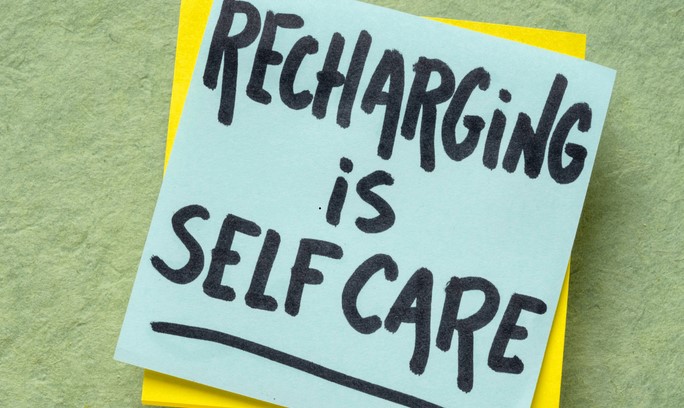
It’s 11:45 PM on a Tuesday. Your eyes are stinging from the glow of your laptop screen, your shoulders are practically touching your ears from tension, and you suddenly realize you haven’t taken a deep, full breath since lunchtime. You know you need self-care. But every time you read an article telling you to take a two-hour bubble bath or book a weekend retreat, you laugh—or want to cry—because you barely have twenty minutes to eat lunch without answering emails.
In my decade of working as a health writer alongside clinicians, corporate wellness coaches, and chronically overworked humans, I’ve noticed a dangerous trend. We have turned wellness into a high-pressure, time-consuming chore. We act as if self-care only counts if it involves an aesthetic routine or an entire afternoon carved out of a schedule that is already bursting at the seams.
Here is the truth I’ve observed from years of analyzing stress physiology and behavioral health: effective self-care isn’t about adding another massive task to your to-do list; it’s about strategically micro-dosing rest throughout your day. Let’s break down how busy professionals can actually make self-care work without blowing up their calendars.
The Physiology of Burnout: Why Your Brain Hates “All-or-Nothing” Wellness
When you operate in a state of constant busyness, your sympathetic nervous system (the “fight-or-flight” engine) is permanently running in the background. Cortisol levels remain elevated, heart rate variability (HRV) drops, and executive functioning in the prefrontal cortex begins to degrade.
To turn this state around, you don’t need a three-day spa getaway. You simply need to signal to your nervous system that you are safe.
Think of your personal energy like a smartphone battery. If you let your phone drop to 0% every day, the battery health deteriorates rapidly over time. Expecting a single 60-minute massage on a Sunday to fix six days of non-stop exhaustion is like plugging a dead phone in for two minutes and expecting a 100% charge. Micro-breaks act as quick, continuous top-ups that keep your battery functioning in the green zone.
   TRADITIONAL APPROACH (HIGH SPIKES & BURNOUT)
   Energy
     │  ┌─┐             ┌─┐
     │  │ │             │ │        <-- Rare, long self-care sessions
     └──┴─┴─────────────┴─┴─────────
   Time

   SUSTAINABLE APPROACH (MICRO-DOSING REST)
   Energy
     │ ┌┐ ┌┐ ┌┐ ┌┐ ┌┐ ┌┐ ┌┐ ┌┐ ┌┐
     │ ││ ││ ││ ││ ││ ││ ││ ││ ││    <-- Frequent, bite-sized reset moments
     └─┴┴─┴┴─┴┴─┴┴─┴┴─┴┴─┴┴─┴┴─┴┴───
   Time
Real-World Self-Care Ideas for Busy People (By Time Investment)
To make wellness practical, I categorize realistic strategies by the exact amount of time you have available. You don’t need hours—you just need intentionality.
                  ┌───────────────────────────────┐
                  │    MICRO-SELF-CARE MATRIX     │
                  └──────────────┬────────────────┘
                                 │
        ┌────────────────────────┼────────────────────────┐
        ▼                        ▼                        ▼
┌───────────────┐        ┌───────────────┐        ┌───────────────┐
│   2 MINUTES   │        │  10 MINUTES   │        │  30 MINUTES   │
│ Biological    │        │ Cognitive     │        │ Physical &    │
│ Reset         │        │ Offloading    │        │ Boundary Reset│
└───────────────┘        └───────────────┘        └───────────────┘
1. The 2-Minute Reset: Biological Interventions
When you have zero time between back-to-back meetings, target your basic physiology.
-
The Physiological Sigh: Take two quick inhales through your nose, followed by one long, slow exhale through your mouth. Doing this just three times instantly triggers the parasympathetic nervous system, slowing your heart rate.
-
Cold Water Sensory Grounding: Splash freezing cold water on your face or hold an ice cube in your hand for 30 seconds. This stimulates the vagus nerve and breaks the cycle of runaway anxiety.
-
Un-clench Audit: Drop your tongue from the roof of your mouth, drop your shoulders, and loosen your jaw. We carry immense somatic stress in these three areas without realizing it.
2. The 10-Minute Reset: Cognitive Offloading
If you have ten minutes while waiting for coffee to brew or between tasks, focus on clearing mental clutter.
-
Brain Dumping: Open a blank notepad and write down every single thought, task, or worry swirling in your head. Do not organize it; just transfer it out of your working memory.
-
The “No-Screen” Walk: Step outside for ten minutes without headphones, podcasts, or phone notifications. Allow your vision to wander across horizons (panoramic vision), which naturally calms brainwave activity.
-
Strategic Hydration and Sunlight: Stand by a window or step onto a balcony, drink a glass of water with electrolytes, and absorb direct light to anchor your circadian rhythm.
3. The 30-Minute Reset: Boundary & Physical Maintenance
When you can carve out a half-hour block, focus on rebuilding physical resilience.
-
Non-Sleep Deep Rest (NSDR): Lie down and listen to an NSDR or Yoga Nidra audio track. Studies show a 20-minute NSDR session can restore cognitive function similarly to a short sleep cycle.
-
Batch Deliberate Movement: Skip the guilt of missing an hour-long gym session. Perform a 20-minute bodyweight circuit or a focused mobility routine in your living room.
-
Protecting an “Unreachable” Block: Turn your phone on Airplane Mode for 30 minutes. The simple act of enforcing a boundary against digital noise builds mental agency.
Evaluating Your Self-Care: What Works vs. What Exhausts You
Not every relaxing activity actually rejuvenates your nervous system. Many people confuse passive distraction with genuine restorative self-care.
| Activity | Category | Physiological & Mental Impact |
| Doomscrolling Social Media | Passive Distraction | Keeps dopamine spiking and dropping; leaves brain fatigued. |
| 10-Min Box Breathing / NSDR | Active Restoration | Lowers cortisol; down-regulates sympathetic nervous system. |
| Binge-Watching TV till 1 AM | Passive Distraction | Delays sleep onset; blue light suppresses melatonin production. |
| A Short Walk in Nature | Active Restoration | Lowers mental fatigue; boosts heart rate variability (HRV). |
Expert Advice: Pro Tips & Hidden Hazards
Over my years in the health industry, I’ve seen well-meaning people turn self-care into another source of performance anxiety. Keep these insights in mind:
Pro Tip: Habit-stack your self-care onto existing routines.
Don’t try to create a brand-new 30-minute block in your calendar out of thin air. Instead, attach small wellness habits to things you already do every single day. Practice your deep breathing while waiting for your morning coffee to brew, or listen to an audio journal entry during your daily commute.
Hidden Pitfall: Beware of “Performative Self-Care.”
If your self-care routine requires extensive preparation, buying expensive products, or posting it on social media for validation, it isn’t self-care—it’s administrative work. Real self-care is often unglamorous, private, and extremely simple. If it feels like an item on your chore list, redesign it immediately.
Reclaiming Your Energy, One Minute at a Time
Making time for yourself isn’t a luxury reserved for people with empty calendars and zero responsibilities; it is a fundamental health requirement for anyone who wants to perform at a high level over the long haul.
Stop waiting for a month with fewer meetings, a lighter workload, or a magically free weekend. Start looking for the small, two-minute gaps in your day where you can breathe, un-clench, and reset your system. You don’t need a brand-new life to feel better—you just need a new relationship with the micro-moments you already have.
What is one tiny, 2-minute self-care micro-habit you can weave into your schedule today? Try one out right now, and let me know in the comments below how it changes your energy level!