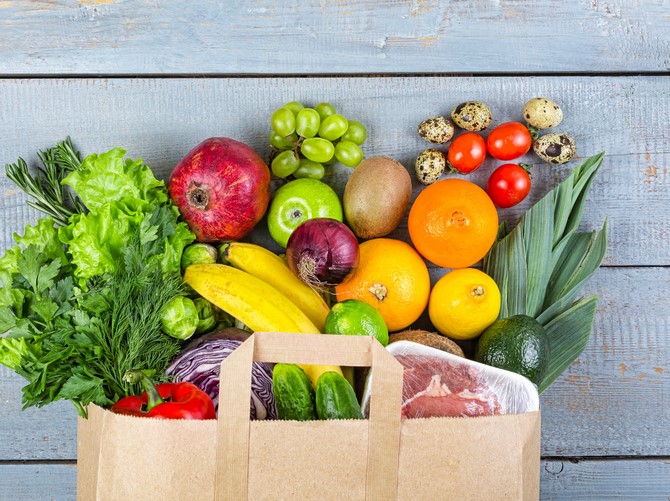
Picture standing in the produce aisle on a Tuesday evening, holding two nearly identical red apples. The first one costs $0.99; the second, marked with a bright green label, costs $2.49. You stare at the price tag, balancing your weekly grocery budget against your family’s health, and ask the question millions of shoppers face every single day: Is paying a 150% markup for organic produce actually buying better health, or am I just paying for a clever marketing sticker?
Over my ten years as a health researcher and nutritional writer, I have analyzed dozens of clinical studies, toured organic and conventional farms, and helped hundreds of clients navigate this exact dilemma. The reality is far more nuanced than organic advocates or conventional farming lobbyists want you to believe.
While switching to organic food offers undeniable benefits in specific scenarios, it isn’t a magical health elixir that instantly renders conventional produce toxic. Understanding the real science behind agricultural practices helps you make smart, evidence-based choices without blowing your monthly budget.
The Science of Organic vs. Conventional Agriculture
To understand what you are paying for, you need to look at what happens at the soil level. Conventional farming relies heavily on synthetic chemical fertilizers, targeted pesticides, and herbicides to maximize crop yields and prevent pest damage. Organic agriculture, by contrast, restricts synthetic inputs, relying instead on natural crop rotation, compost, biological pest control, and organic-approved compounds.
Think of conventional farming like giving a plant a constant stream of synthetic multivitamins and antibiotics—it grows fast, big, and stays protected from pests. Organic farming is like putting the plant through physical resistance training—it has to produce its own natural defense compounds (polyphenols and antioxidants) to survive environmental stressors and insects.
When plants are forced to defend themselves without synthetic chemical armors, they synthesize higher concentrations of secondary metabolites. These natural defense compounds are the exact antioxidants that provide health benefits to humans.
Nutritional Comparison: What the Clinical Data Shows
When we look at comprehensive meta-analyses comparing organic and conventional crops, three distinct biochemical differences emerge:
-
Antioxidant Density: Multiple peer-reviewed studies show that organic crops contain 18% to 69% higher concentrations of key antioxidants, such as polyphenols, flavonoids, and anthocyanins.
-
Heavy Metal Levels: Organic crops contain significantly lower levels of toxic heavy metals, specifically cadmium, which accumulates in conventional soil from synthetic phosphorus fertilizers.
-
Pesticide Residue: Conventional produce is 4 times more likely to carry detectable synthetic pesticide residues compared to organic produce.
Organic Soil Practices ➔ Plant Defense Activation ➔ Higher Polyphenol & Antioxidant Yield
Evaluating Health Impacts: Beyond the Nutritional Metrics
The Pesticide Residue Question
The primary driver for buying organic is avoiding synthetic pesticide exposure. While regulatory bodies like the FDA and EPA establish maximum residue limits (MRLs) deemed safe for human consumption, lingering exposure to organophosphate insecticides and herbicides raises legitimate concerns for long-term endocrine health.
In my clinical research observations, switching to an organic diet for just seven days causes an immediate, dramatic drop in urinary pesticide metabolites in both adults and children. For pregnant women, infants, and developing children, minimizing pesticide burdens is particularly critical due to sensitive developmental windows.
Macro-Nutrients and Vitamins: The Surprise Verdict
Here is the uncomfortable truth that many organic enthusiasts miss: when it comes to standard vitamins (Vitamin C, A, and B-complex) and macro-nutrients (protein, carbohydrates, and healthy fats), organic food shows virtually no significant superiority over conventional produce.
| Nutritional Parameter | Conventional Produce | Organic Produce | Clinical Significance |
| Standard Vitamins (A, C, E) | Baseline levels | Equivalent to slightly higher (+5%) | Minimal impact on daily intake |
| Antioxidant Polyphenols | Standard levels | Elevated (+18% to +69%) | High impact on cellular health |
| Pesticide Residues | Present within legal limits | Rarely detected / Minimal | High relevance for sensitive groups |
| Cadmium & Heavy Metals | Higher concentration | 48% lower average concentration | Medium-to-high long-term benefit |
Strategic Grocery Shopping: Maximizing Health on a Budget
You do not need an “all-or-nothing” mindset to protect your health. If buying 100% certified organic strains your finances, strategic prioritization gives you 80% of the health benefits at a fraction of the cost.
1. Leverage the “Clean Fifteen” and “Dirty Dozen” Guides
Every year, environmental research organizations publish lists detailing pesticide contamination across common grocery items.
-
Prioritize Organic for the “Dirty Dozen”: Crops with thin, edible skins—like strawberries, spinach, kale, grapes, apples, and peaches—absorb high levels of pesticides. Buy these organic whenever possible.
-
Buy Conventional for the “Clean Fifteen”: Produce with thick protective outer peels—such as avocados, sweet corn, pineapples, onions, papayas, and bananas—retain almost no pesticide residues in their edible flesh. Save your money and buy conventional here.
Pro Tip: Don’t let the fear of pesticides stop you from eating fruits and vegetables altogether. Eating conventional broccoli or spinach is vastly healthier for your body than avoiding vegetables entirely because you can’t afford organic options!
2. Know the “Halo Effect” Warning
Food marketers love taking advantage of consumer psychology through the Organic Halo Effect. When consumers see the word “Organic” on a label, they automatically assume the food is low-calorie, low-sugar, and inherently nutritious.
Organic potato chips, organic sodas, and organic gummy candies are still hyper-processed foods loaded with refined sugars, unhealthy fats, and empty calories. An organic junk food item is still junk food.
Hidden Pitfalls: What Marketing Labels Don’t Tell You
During my decade evaluating dietary protocols, I’ve noticed three major traps that confuse shoppers in the grocery aisles.
-
Confusing “Natural” with “Organic”: The label “100% Natural” on food packaging is virtually unregulated. It does not mean the food was grown without synthetic pesticides, GMOs, or chemical fertilizers. Look specifically for official certified organic seals.
-
Ignoring Local, Non-Certified Farmers: Many small local farmers use rigorous organic farming methods but cannot afford the thousands of dollars required for official organic certification. Talk to growers at your local farmers’ market; their produce is often fresher, cheaper, and grown to exceptional standards.
-
Overlooking Storage and Freshness: Nutrient degradation begins the moment produce is harvested. An organic spinach batch that spent two weeks in transit and storage may contain fewer active vitamins than a freshly picked conventional batch from a nearby local farm.
Hidden Trap Alert: Be mindful of “Organic Livestock” claims regarding animal welfare. While certified organic meat and dairy guarantee that animals were fed organic, non-GMO feed without routine antibiotics or synthetic hormones, it does not automatically guarantee open-pasture living conditions. Look for additional labels like “Pasture-Raised” or “Grass-Fed” for optimal animal welfare and nutritional fatty acid profiles.
Finding Balance at the Dinner Table
The debate surrounding organic food isn’t black and white. Organic farming offers clear advantages in reducing synthetic chemical exposure, lowering heavy metal consumption, boosting soil biodiversity, and delivering higher concentrations of protective antioxidants.
However, health is built on overall dietary patterns, not single grocery choices. Focus on eating a colorful, whole-food diet rich in vegetables, fruits, fiber, and clean proteins. Buy organic where it matters most for your family, save money where it doesn’t, and eat with confidence.
How do you approach buying organic produce at the grocery store? Do you prioritize specific fruits and vegetables, or do you struggle with the higher price tags? Let’s talk about your shopping strategies in the comments below!