
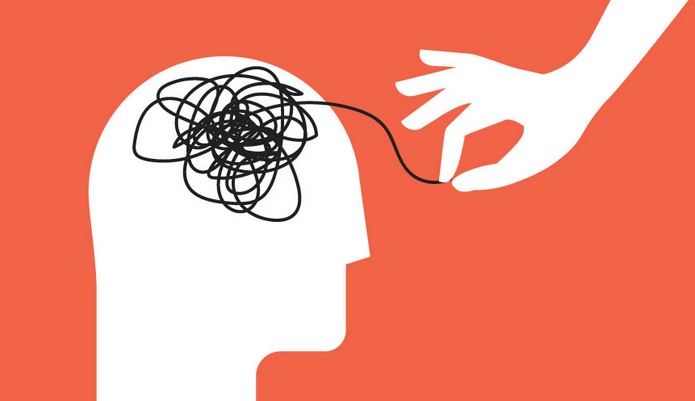
Anxiety disorders are among the most common mental health conditions, affecting people across different ages, professions, and cultural backgrounds. While occasional anxiety is a normal response to stress, persistent and overwhelming anxiety can interfere with daily functioning, relationships, and overall quality of life. Understanding effective approaches to Anxiety Disorder Management is essential for promoting emotional stability, building resilience, and supporting long-term mental health through structured, evidence-informed strategies.
Understanding Anxiety Disorders and Their Impact
Anxiety disorders encompass a range of conditions characterized by excessive fear, worry, or nervousness that is difficult to control. These conditions may manifest through physical symptoms such as rapid heartbeat, muscle tension, fatigue, and sleep disturbances, as well as cognitive and emotional challenges including constant worry, difficulty concentrating, and heightened sensitivity to perceived threats.
The impact of anxiety extends beyond individual symptoms. When left unaddressed, it can affect professional performance, social interactions, and physical health. Chronic anxiety has been associated with increased risk of cardiovascular issues, weakened immune response, and digestive problems. Emotionally, it may contribute to low self-esteem, avoidance behaviors, and reduced confidence in handling everyday situations.
Understanding anxiety as a multifaceted condition is a critical first step toward effective management. Rather than viewing it solely as a personal weakness or isolated emotional issue, anxiety should be recognized as a complex interaction between biological factors, thought patterns, behaviors, and environmental stressors. This perspective allows for a more compassionate and structured approach to improvement.
Evidence-Based Strategies for Managing Anxiety
Managing anxiety disorders often requires a combination of professional guidance, lifestyle adjustments, and skill development. Psychological therapies play a central role in helping individuals understand the relationship between thoughts, emotions, and behaviors. Structured therapeutic approaches help individuals identify unhelpful thinking patterns and develop healthier responses to stress-inducing situations.
Lifestyle factors also significantly influence anxiety levels. Regular physical activity supports the regulation of stress hormones and promotes the release of neurotransmitters associated with mood stability. Consistent sleep routines help regulate emotional responses, while balanced nutrition supports overall brain function. Reducing excessive consumption of stimulants and maintaining hydration can further support emotional regulation.
Mindfulness-based practices have gained recognition for their role in anxiety reduction. These practices emphasize present-moment awareness and nonjudgmental observation of thoughts and sensations. By cultivating awareness rather than avoidance, individuals can reduce the intensity of anxious reactions and improve emotional flexibility over time.
The Role of Support Systems and Self-Management Skills
Social support is a powerful yet often underestimated component of anxiety management. Meaningful connections with friends, family members, or support groups provide emotional reassurance and practical perspective. Sharing experiences with trusted individuals can reduce feelings of isolation and normalize emotional challenges.
Developing self-management skills is equally important. Time management, goal setting, and boundary-setting help reduce external pressures that may contribute to anxiety. Learning relaxation techniques, such as controlled breathing or progressive muscle relaxation, offers practical tools that can be used during moments of heightened stress.
Self-monitoring is another valuable skill. By recognizing early signs of anxiety escalation, individuals can intervene before symptoms become overwhelming. This proactive approach fosters a sense of control and reinforces confidence in one’s ability to manage emotional responses effectively.
Building Long-Term Mental Health Resilience
Improving mental health in the context of anxiety disorders is not solely about symptom reduction; it also involves building resilience and adaptability. Resilience refers to the capacity to recover from stress and maintain psychological balance during challenging circumstances. This capacity can be strengthened through consistent practice of healthy coping strategies and realistic self-expectations.
Long-term mental well-being is supported by aligning daily routines with personal values and priorities. Engaging in meaningful activities, pursuing personal growth, and maintaining a sense of purpose contribute to emotional fulfillment and stability. These factors help shift focus away from constant threat monitoring and toward constructive engagement with life.
Education also plays a critical role. Learning about anxiety empowers individuals to make informed decisions about their mental health and reduces fear associated with symptoms. Understanding that progress is often gradual helps set realistic expectations and encourages persistence during setbacks.
In conclusion, Anxiety Disorder Management requires a comprehensive and individualized approach that addresses emotional, cognitive, behavioral, and lifestyle factors. By combining professional support, practical self-care strategies, and long-term resilience-building practices, individuals can improve their mental health and regain confidence in navigating daily life. With consistency and informed guidance, managing anxiety becomes a sustainable process that supports overall well-being and emotional balance.


