
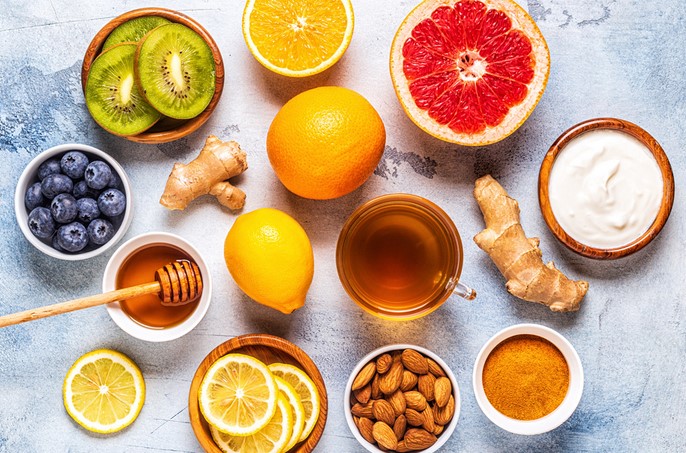
I remember a cold Tuesday three years ago when I found myself staring at a cabinet full of “emergency” Vitamin C packets, elderberry syrups, and zinc lozenges. I was exhausted, sniffly, and frustrated. As a health writer with over a decade of experience, I knew the science, yet I had fallen into the classic trap: trying to “buy” an immune system at the last minute instead of building one.
The truth is, your immune system isn’t a light switch you can just flip on when you feel a tickle in your throat. It is a complex, 24/7 security team that requires consistent logistics and maintenance. Over the years, I’ve seen that the most resilient people aren’t those taking the most supplements—they are the ones mastering the art of Natural Immune Support through lifestyle architecture.
Let’s move past the marketing hype and look at the biological reality of how to actually strengthen your internal fortress.
1. The Biological Security Team: How Your Immunity Works
To understand Natural Immune Support, we first have to understand what we are supporting. Think of your immune system as a multi-layered defense city.
-
The Walls (Physical Barriers): Your skin and gut lining. If the walls are leaky, intruders get in easily.
-
The Patrol Guards (Innate Immunity): These are cells like neutrophils and macrophages that attack anything that looks suspicious.
-
The Special Forces (Adaptive Immunity): These are your T-cells and B-cells. They “remember” specific enemies so they can take them down faster next time.
When we talk about “boosting” the immune system, we aren’t actually trying to make it hyper-active (that’s how you get autoimmune issues). We are trying to make it smarter and more efficient.
2. Nutrition: Fueling the Frontlines of Natural Immune Support
You cannot build a high-performance defense system out of low-quality materials. What you eat provides the biochemical signals that tell your immune cells to either “stand down” or “prepare for battle.”
The Gut-Immune Connection
Did you know that roughly 70-80% of your immune cells reside in your gut? This is where your “security team” goes to school to learn the difference between a harmless piece of spinach and a dangerous pathogen.
-
Prebiotics and Probiotics: Consuming fermented foods like kimchi, kefir, or sauerkraut introduces beneficial bacteria that help train your immune response.
-
Fiber: High-fiber diets produce short-chain fatty acids (SCFAs), which have powerful anti-inflammatory effects throughout the body.
Micronutrients Beyond Just Vitamin C
While Vitamin C is famous, it’s only one piece of the puzzle. For true Natural Immune Support, we need a full spectrum:
-
Vitamin D: Think of Vitamin D as the “General” of the army. Without it, your T-cells remain dormant. Most of us are chronically deficient, especially in winter months.
-
Zinc: This mineral is essential for DNA synthesis and cell division within the immune system.
-
Selenium: A potent antioxidant found in Brazil nuts that helps lower oxidative stress.
3. The Power of Sleep as a Bio-Regenerative Tool
If nutrition is the fuel, sleep is the repair shop. In my years of tracking health data, I’ve noticed a direct correlation between sleep deprivation and “catch-all” illnesses.
Cytokines and the Night Shift
When you sleep, your immune system releases proteins called cytokines. Some of these help promote sleep, while others are needed to fight infections or chronic inflammation. When you cut your sleep to 5 or 6 hours, you are essentially telling your repair crew to go home early while the bridge is still broken.
The Cortisol Conflict
Lack of sleep spikes cortisol levels. While we need some cortisol to wake up, chronically high levels act as an “immunosuppressant.” It literally tells your white blood cells to stop patrolling, leaving the gates wide open for viruses.
4. Stress Management: Silencing the False Alarms
In the modern world, our bodies often can’t tell the difference between a lion chasing us and a stressful email from a boss. Both trigger the stress response.
Chronic Stress vs. Acute Stress
Short-term stress (like a cold plunge or a hard workout) can actually strengthen the immune system—a concept known as hormesis. However, chronic, low-grade stress is like a car alarm that never stops going off. Eventually, the battery dies.
-
Mindfulness and Breathwork: Techniques like “Box Breathing” can shift you from the sympathetic (fight-or-flight) state to the parasympathetic (rest-and-digest) state in under three minutes.
-
The Lymphatic System: Unlike your heart, your lymphatic system (which carries immune cells) doesn’t have a pump. It relies on movement and deep breathing to circulate.
💡 Pro Advice: The “Golden Hour” of Recovery
Many people wait until they are shivering to take action. My secret “Pro Tip” is the Early Response Protocol. The moment you feel that “unusual fatigue” or a dry scratch in your throat, you must prioritize warmth and hydration immediately.
Drinking warm fluids increases blood flow to the throat and nasal passages, allowing your “patrol guards” to reach the site of infection much faster. Don’t wait for the symptoms to bloom; respond to the whisper.
5. Movement: The Circulation of Defense
Exercise is a cornerstone of Natural Immune Support, but balance is key.
The Open Window Theory
Moderate exercise—like a brisk walk, a bike ride, or a moderate weight session—boosts the circulation of immune cells. It’s like putting more police cars on the street.
-
Warning: Intense, “all-out” exercise for hours on end can actually create a temporary “open window” where your immune system is suppressed for 24 hours. If you are already feeling run down, choose a walk over a HIIT class.
Sunlight and Circadian Rhythms
Getting natural light in your eyes early in the morning helps regulate your circadian rhythm. This ensures that your body knows exactly when to produce melatonin (for sleep) and when to prime the immune system for the day’s challenges.
6. The Hidden Dangers: What Suppresses Your Immunity?
Sometimes, the best way to support your body is to stop doing the things that hinder it.
-
Refined Sugars: High blood sugar can “paralyze” white blood cells for several hours after consumption, reducing their ability to destroy bacteria.
-
Alcohol: Alcohol disrupts the gut microbiome and impairs the function of ciliary cells in the lungs, which are responsible for clearing out pathogens.
-
Social Isolation: Fascinatingly, human connection has been shown in studies to improve immune markers. We are social animals; loneliness is a physiological stressor.
7. Strategic Supplementation: Filling the Gaps
While I advocate for a “food first” approach, sometimes we need targeted help. For effective Natural Immune Support, consider these three often-overlooked aids:
-
Quercetin: A plant pigment that acts as an “ionophore,” helping zinc get inside the cells where it can stop viral replication.
-
Medicinal Mushrooms: Reishi and Lion’s Mane contain beta-glucans, which “prime” your immune cells to be more alert without over-activating them.
-
Magnesium: Essential for over 300 biochemical reactions, including those that activate Vitamin D.
Conclusion: Building Your Resilience Blueprint
Natural Immune Support isn’t about a single “superfood” or a magic pill. It is the cumulative result of how you treat your body every single day. It’s about the quality of your sleep, the colors on your plate, and the way you handle the inevitable stresses of life.
I challenge you to stop looking for a “quick fix” and start looking at your foundations. Your immune system is your most loyal protector; it’s time you gave it the resources it needs to do its job.
Which area of your “Defense Team” needs the most attention right now? Is it your sleep, your gut health, or your stress levels? Start with one small change today and share your plan in the comments below!


