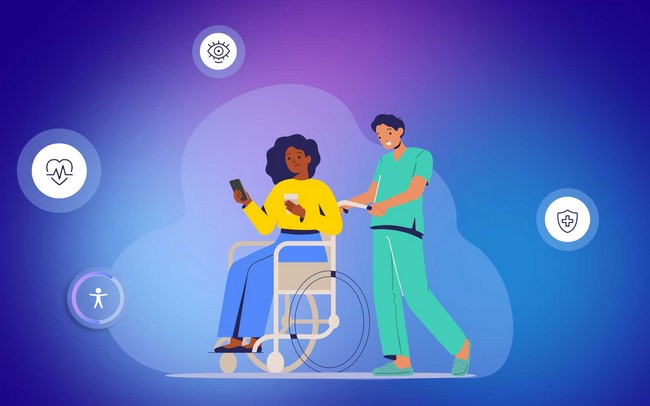
Imagine arriving at a medical clinic for a critical checkup, only to find that the heavy glass entrance doors don’t have an automatic opener. You manage to get inside with help, but then you realize the check-in counter sits five feet high, forcing you to look up blindly from your wheelchair. When you finally reach the exam room, the diagnostic table is locked at a fixed height, making a routine physical examination physically impossible without an undignified, unsafe manual lift.
For nearly one in four adults living with a disability today, these exhausting systemic roadblocks are not rare anomalies. They are the baseline reality of navigating modern medicine.
In my ten years of health writing, patient advocacy, and auditing clinical workflows, I have stood inside beautifully designed, multi-million dollar hospital wings that completely fail basic accessibility checks. I have interviewed patients who skipped preventative cancer screenings for years simply because the local clinic lacked an accessible scale or an ASL interpreter.
Out in the field, we know that true medical equity is not achieved by simply hanging a blue accessibility logo on a parking space. True inclusivity requires an intentional, systemic redesign of our clinical spaces, digital portals, and communication protocols. Let’s look at what building genuine disability access to care actually looks like, and how we can eliminate the structural friction that compromises patient health.
The Three Dimensions of Care Accessibility: Beyond the Ramp
To build a healthcare environment that genuinely serves everyone, we must look past superficial fixes. Accessibility is not a single checkbox; it is a multi-layered ecosystem.
Think of a patient’s healthcare journey like a three-stage railway system. If the train tracks are broken at the ticketing station, the platform, or on the train itself, the passenger never reaches their destination.
+-------------------------------------------------------------+
|               THE TRIPLE ACCESSIBILITY PIPELINE             |
+-------------------------------------------------------------+
| 1. Architectural Access  ──> High-Low Tables, Ramps, Signage |
| 2. Digital Infrastructure ──> WCAG Portals, Screen Readers   |
| 3. Communication Matrix   ──> Plain Language, ASL, Braille   |
+-------------------------------------------------------------+
1. Architectural and Physical Infrastructure
Physical access is the foundation. If a patient with dynamic mobility limits cannot enter the room, diagnostic medicine stops completely.
This dimension requires clinics to invest in height-adjustable examination tables that lower to wheelchair transfer height (typically 17 to 19 inches from the floor), wide hallway clearances, roll-in accessible scales, and ceiling-mounted patient lifts.
2. Digital Infrastructure and Telehealth Portals
In our modern, tech-driven world, a patient’s care journey begins long before they sit in the waiting room. It begins on a smartphone or computer screen.
Online appointment systems, patient portals, and telehealth software must be engineered to comply with Web Content Accessibility Guidelines (WCAG). This ensures that individuals utilizing screen readers, refreshable Braille displays, or voice-command software can book appointments, view lab results, and chat with their doctors without a third-party intermediary.
The Invisible Barrier: Communication and Neurodivergent Design
Over my decade in health writing, the most common oversight I have observed is the failure to accommodate sensory, cognitive, and invisible disabilities. When clinical staff hear the word “disability,” their brains automatically visualize a physical wheelchair. This narrow definition leaves millions of neurodivergent, deaf, and blind individuals out in the cold.
      THE ACCESSIBILITY MISCONCEPTION GAUNTLET

      [ Classic Assumption ]  ───> Mentally Visualizes: Wheelchairs Only
                                           │
                                           ▼ Missing The Reality:
      [ Complete Access ] <── Includes: Deaf, Blind, Autistic, Cognitive
To bridge this massive communication gap, provider networks must actively diversify their interaction strategies:
-
Deaf and Hard of Hearing Protocols: Ensure immediate, on-demand access to certified American Sign Language (ASL) interpreters, either on-site or via dedicated Video Remote Interpreting (VRI) hardware.
-
Neurodivergent-Affirming Environments: Modern medical environments are often an overwhelming sensory nightmare of buzzing fluorescent lights, loud intercom systems, and cold surfaces. Creating “sensory-friendly” exam times with dimmed lighting, quiet waiting zones, and clear, step-by-step structural explanations helps prevent severe clinical anxiety for autistic patients.
-
Cognitive Clarity: Medical brochures and instruction sheets must utilize Plain Language protocols. Breaking complex treatment plans into short, scannable steps with clear visual diagrams ensures individuals with intellectual disabilities or executive function challenges can safely manage their prescriptions at home.
| Accessibility Barrier | Common Inadequate Fix | Inclusive Clinical Standard |
| Physical Weight Check | Guessing weight or asking the patient. | Utilizing an integrated, flush-to-floor Roll-in Wheelchair Scale. |
| Medical History Intake | Handing over a standard paper clipboard. | Providing a WCAG-compliant digital tablet with voice-to-text features. |
| Exam Room Transition | Requiring family members to lift the patient. | Utilizing mechanical ceiling lifts and height-adjustable tables. |
Step-by-Step Blueprint: Implementing Inclusive Patient Protocols
Transforming a clinical practice into an accessible sanctuary does not require a massive, disruptive structural overhaul overnight. It requires a disciplined, step-by-step commitment to behavioral and systemic optimization.
1. The Pre-Appointment Access Audit
When a new patient registers through your portal or calls the front desk, embed an accessibility screening tool directly into the initial onboarding script.
Don’t wait for the patient to struggle upon arrival. Ask directly: “Are there any physical accommodations, language interpreters, or sensory adjustments we can prepare to make your visit seamless today?” This simple question completely flips the logistical burden away from the patient and places it on the healthcare provider.
2. The Universal Design Training Loop
Medical hardware is only as good as the human beings operating it. Run bi-annual training sessions for all clinical and administrative staff.
Front-desk coordinators must know how to communicate comfortably with individuals using speech-generating devices. Medical assistants must be fluent in unlocking and lowering high-low exam tables safely, ensuring that disability access to care is embedded directly into the daily operational culture.
Pro Tip: When speaking with a patient who utilizes a sign language interpreter, look directly at the patient, not the interpreter. Maintain consistent eye contact and address them in the first person. This small behavioral adjustment honors the patient’s agency and dismantles the clinical isolation that many disabled individuals experience during medical encounters.
Expert Advice: Hidden Pitfalls in Modern Care Delivery
Before you evaluate your own local clinic or hospital network, let me share two critical warnings that separate superficial compliance from true, empathetic medical inclusivity:
-
The “Grandfathered” Structural Illusion: Do not assume that because an older medical building passed a local building code audit twenty years ago, it is truly accessible. Building codes set the bare minimum legal survival limits; they do not dictate clinical optimization. Walk your spaces with an independent accessibility consultant to find hidden traps like steep ramp inclines or thick bathroom carpeting that catches wheelchair wheels.
-
The Diagnostic Equipment Blindspot: The most dangerous systemic failure occurs when a clinic has an accessible building but inaccessible diagnostic tools. If a facility cannot perform an accessible mammogram, an accessible X-ray, or a proper pelvic exam because their heavy machinery requires a patient to stand completely unassisted, they are providing a compromised level of diagnostic care. Always audit the accessibility of your actual medical machinery.
Conclusion
Ensuring unconditional disability access to care is not an optional act of charity, nor is it a niche design preference reserved for specialized rehabilitation centers. It is a foundational civil right and a core metric of clinical excellence. By removing architectural hurdles, building adaptable digital portals, and training healthcare staff to communicate with clarity and respect, we transition away from a rigid, exclusionary system and build a healthcare culture that truly values every human life.
Are you a medical professional looking to optimize your clinic’s accessibility layout, or a patient who has faced frustrating barriers during a recent doctor’s visit? Let’s discuss ways to drive clinical change—drop your experiences or layout puzzles in the comments below!