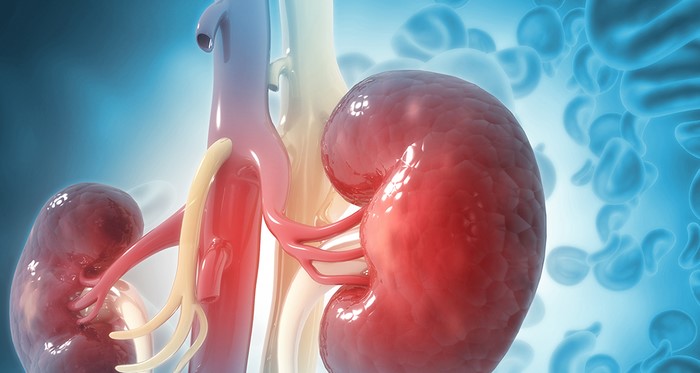
Imagine an unsung hero working a continuous 24-hour shift, processing over 50 gallons of fluid every single day, quietly sifting out dangerous toxins without taking a single break. Now, imagine this same hero suffering damage so severe that 90% of its working capacity vanishes before you even feel a single symptom.
That hero is sitting in your lower back right now—it is your pair of kidneys.
Throughout my 10 years as a health writer working alongside nephrologists and clinical researchers, I’ve witnessed a heartbreaking pattern. Patients frequently walk into clinics expecting a clean bill of health, only to discover that their renal function has quietly plummeted. The most terrifying aspect of kidney health is its silence; damage accumulates without a sound until it demands urgent intervention.
Understanding how to preserve your kidney function isn’t just medical advice—it is one of the most effective insurance policies for your long-term vitality.
Understanding Your Body’s Ultimate Filtration System: Why Kidney Health Matters
To truly protect these organs, you first need to understand how they work.
Think of your kidneys as the ultimate high-tech home water filtration system. Inside each fist-sized kidney are roughly one million microscopic filtering units called nephrons.
These tiny units don’t just filter out waste; they act as your body’s precision chemical management plant. They regulate your balance of essential electrolytes like sodium and potassium, regulate fluid levels, and produce vital hormones that manage your blood pressure and red blood cell production.
When your kidney health begins to decline, this intricate filtration system clogs up. As a result, harmful metabolic waste products build up in your bloodstream, throwing your entire body out of sync.
The Silent Saboteurs: What Disrupts Your Kidney Function Daily?
In my years analyzing clinical case studies, I’ve noticed that most people assume kidney damage stems from rare genetic conditions. In reality, everyday habits and common lifestyle conditions are the primary drivers of renal decline.
-
Hypertension (High Blood Pressure): Uncontrolled blood pressure exerts constant physical stress on the delicate blood vessels inside your kidneys, scarring nephrons over time.
-
Type 2 Diabetes: Elevated blood sugar levels force the kidneys to filter far too much blood, overworking the system until the filters break down—a condition known as diabetic nephropathy.
-
Over-the-Counter Painkillers: This is a major hidden trigger I frequently warn readers about. Chronic use of Non-Steroidal Anti-Inflammatory Drugs (NSAIDs) like ibuprofen or naproxen reduces blood flow to the kidneys, leading to drug-induced renal toxicity.
-
High-Sodium Diets: Excessive salt forces your body to retain excess water, spiking blood pressure and putting extra mechanical strain on your kidney tissue.
The Danger of the “Silent” Decline
Unlike a pulled muscle or a toothache, early-stage Chronic Kidney Disease (CKD) carries no painful warning signals.
By the time individuals experience obvious signs like swollen ankles, persistent fatigue, or foamy urine (proteinuria), significant renal function has already been permanently lost. This is why proactive monitoring and preventative care are non-negotiable.
Essential Strategies for Optimizing Kidney Health
Protecting your kidneys doesn’t require extreme cleanses or expensive medical rituals. Instead, it relies on simple, evidence-based daily habits that support overall metabolic health.
1. Stay Intelligently Hydrated
Water helps your kidneys flush out sodium and metabolic waste. While you don’t need to drink gallons of water daily, your goal should be maintaining pale yellow or clear urine throughout the day.
2. Adopt a Low-Sodium, Whole-Food Diet
Focus on whole foods, lean proteins, vegetables, and minimal ultra-processed foods. Reducing sodium intake instantly relieves physical pressure on your nephrons.
3. Manage Blood Pressure and Blood Sugar
If you have pre-hypertension or pre-diabetes, working with a physician to keep these numbers in range is the single most effective way to preserve kidney health.
4. Get Screened Regularly
Ask your doctor for three crucial routine tests during your annual checkup:
-
Estimated Glomerular Filtration Rate (eGFR): Measures how effectively your kidneys are filtering waste from your blood.
-
Serum Creatinine: Checks blood levels of creatinine, a waste product that healthy kidneys quickly eliminate.
-
Urine Albumin-to-Creatinine Ratio (UACR): Checks for proteins leaking into your urine, an early indicator of kidney damage.
Expert Advice: Pro Tips & Hidden Warnings for Peak Kidney Vitality
Over a decade in health journalism teaches you to look past popular trends and focus on what truly works—and what can actually cause harm.
Pro Tip: Practice Mindful Pain ManagementIf you suffer from frequent headaches or joint pain, avoid relying heavily on daily NSAIDs. Discuss safer long-term alternatives with your healthcare provider, or opt for non-pharmacological relief when possible to protect your nephrons.
Hidden Warning: Beware of “Kidney Detox” SupplementsThe wellness industry is flooded with detox teas claiming to “cleanse” your kidneys. As a health writer, I urge extreme caution. Many herbal concoctions contain unregulated compounds capable of causing acute nephrotoxicity or dangerous interactions with prescribed medications. Your kidneys are your body’s natural detox system—they don’t need a supplement to do their job.
Taking Charge of Your Kidney Health Today
Your kidneys work tirelessly behind the scenes to maintain the delicate internal environment that keeps you energized and thriving. Because kidney damage is usually irreversible once it sets in, taking preventative action today is one of the smartest investments you can make for your future self.
Small adjustments—like cutting back on ultra-processed sodium-heavy foods, staying well-hydrated, and requesting a basic blood and urine test—can safeguard your renal function for decades to come.
Now, I’d love to hear from you! What is one habit you plan to adopt this week to support your kidney health? Have you had your eGFR or creatinine levels checked recently? Share your thoughts and questions in the comments below!