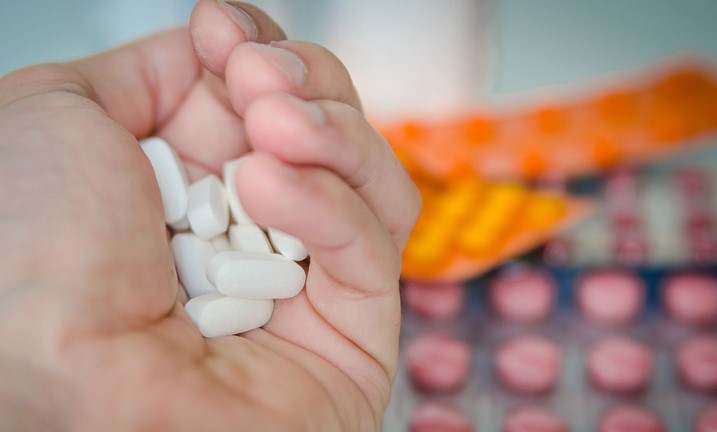
Picture a parent standing at a pharmacy counter, holding a prescription for life-saving insulin, only to walk away empty-handed because a single month’s supply costs more than their rent. This isn’t a dramatic plot point from a movie; it is a daily reality for nearly two billion people across the globe. Over my ten-year career as a health writer tracking global healthcare supply chains and policy shifts, I have stood in rural clinics where basic antibiotics were as scarce as gold, and in suburban communities where families were forced to ration vital pills to make ends meet.
Discovering a medical breakthrough means very little if the person who needs it cannot afford it. Ensuring equitable distribution of life-saving treatments is the defining health challenge of our generation.
Why Access to Essential Medicines Defines Modern Public Health
According to the World Health Organization, essential medicines are those that satisfy the priority healthcare needs of the population. They are selected based on public health relevance, evidence on efficacy and safety, and comparative cost-effectiveness.
Think of a nation’s health system as a high-performance sports car. Advanced hospital facilities are the aerodynamic body, world-class surgeons represent the powerful engine, and health policy serves as the steering wheel. But essential medicines are the fuel. Without a steady, affordable supply of fuel, even the most expensive sports car sits completely motionless on the side of the road.
When populations lack reliable access to fundamental drugs, routine conditions—like hypertension, asthma, or bacterial infections—escalate into severe medical crises that strain emergency rooms and drain family economies.
-
Preventable Mortality: Millions die annually not from incurable illnesses, but from treatable conditions due to stockouts or inflated pricing.
-
Economic Impoverishment: High out-of-pocket medical costs push an estimated 100 million people into extreme poverty every year.
-
Systemic Antimicrobial Resistance (AMR): Irregular supplies force patients to skip doses or buy substandard counterfeit drugs, accelerating drug-resistant pathogens.
The Hidden Bottlenecks Overcharging the Global Drug Supply
During my years analyzing pharmaceutical economics, I’ve learned that drug scarcity and high prices rarely stem from a single greedy entity. Instead, it is a complex web of structural roadblocks that inflate costs before a pill ever reaches the pharmacy shelf.
Patent Monopolies and Intellectual Property Barriers
When pharmaceutical firms develop a new chemical entity, patent protection grants them exclusive market control for decades. While meant to incentivize research and development, it prevents low-cost generic alternatives from entering the market, driving prices out of reach for middle- to low-income patients.
Supply Chain Vulnerabilities and Tariffs
From active pharmaceutical ingredient (API) manufacturing to cold-chain logistics, global supply chains are shockingly fragile. Complex import tariffs, distributor markups, and local transport inefficiencies stack up additional costs at every step of the journey.
Raw Material (API) -> Monopolized Patent -> Long-Distance Cold Chain -> Import Tariffs -> Retail Markup
Result: 500% to 1,000% Price Escalation for the End Consumer
Practical Solutions Reshaping Global Healthcare Equity
Fixing the global drug access gap requires multi-layered strategies spanning international legislation down to local community initiatives.
Voluntary Licensing and Patent Pools
Initiatives like the Medicines Patent Pool (MPP) allow generic manufacturers to produce affordable versions of patented drugs for low- and middle-income regions. This approach honors intellectual property while opening up life-saving treatments to populations that would otherwise be priced out.
Pooled Procurement Systems
When small countries or health systems purchase medications individually, they lack bargaining power. Pooled procurement aggregates buyer demand across entire regions, giving health authorities the leverage to negotiate lower prices directly with drug manufacturers.
Localized API and Generic Manufacturing
Relying entirely on foreign drug exports leaves nations vulnerable to global trade disruptions. Investing in domestic generic production hubs strengthens local supply chains, reduces import taxes, and keeps medication prices predictable.
Expert Advice: Pro-Tips and Hidden Red Flags for Patients
Navigating the financial maze of prescription medications requires smart consumer strategies. Here are practical insights gathered from working alongside pharmacologists and patient advocates.
Pro-Tip: Always Ask for the Bioequivalent GenericAsk your physician or pharmacist if your prescription has an AB-rated generic substitute. Generic drugs contain the exact same active ingredients, dosage form, safety profile, and therapeutic strength as brand-name drugs, but often cost 80% to 85% less.
Hidden Red Flag: The Trap of Pill Splitting Without GuidanceTo stretch their budget, many patients attempt to split higher-dose pills in half. Never split a tablet unless it is explicitly scored or confirmed safe by a pharmacist. Splitting extended-release, enteric-coated, or capsule formulations can release a lethal dose all at once or render the drug entirely ineffective.
3 Pillars to Accelerate Affordable Healthcare for All
Reclaiming equitable healthcare demands systemic change driven by both policies and informed public advocacy:
-
Expanding Universal Health Coverage (UHC): National healthcare plans must prioritize full coverage for the WHO Model List of Essential Medicines to eliminate out-of-pocket expenses for core treatments.
-
Promoting Price Transparency: Regulators must compel pharmaceutical companies to disclose baseline manufacturing costs, research subsidies, and profit margins to stop predatory pricing models.
-
Strengthening Regulatory Oversight: Stronger national drug regulatory agencies prevent substandard, degraded, or falsified medical products from infiltrating vulnerable consumer markets.
Securing a Healthier Future Together
Achieving universal access to essential medicines is not an impossible dream; it is an attainable policy choice that requires global cooperation, transparent supply chains, and bold legislative reform. Health is a fundamental human right, and no individual should ever have to choose between putting food on the table and buying life-saving medication.
Have you ever faced unexpected financial hurdles when trying to fill a necessary prescription, or do you have strategies for navigating high medication costs in your region? Share your experiences and insights in the comments below to join the discussion!