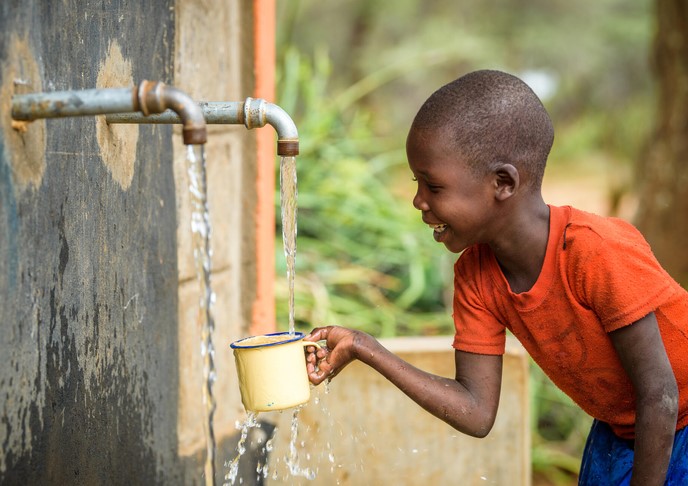
Picture this: You are standing in a small rural clinic in sub-Saharan Africa or an under-resourced community in Southeast Asia. A mother brings in her toddler, weak and severely dehydrated from recurrent diarrheal illness. The doctor doesn’t reach for a groundbreaking medical breakthrough or an expensive pharmaceutical drug. Instead, the prescribed intervention is something most of us flush down the toilet or use to wash our cars without a second thought: safe, running water and proper waste containment.
In my ten years of evaluating health interventions across diverse communities, I’ve learned one absolute truth. You can deploy the best medical teams and distribute millions of dollars in antibiotics, but if people go home to contaminated wells and open latrines, you are simply trying to scoop water out of a sinking boat with a thimble.
Water and sanitation projects aren’t just civil engineering undertakings; they are the single most effective public health intervention in human history. Here is a deep dive into how clean water infrastructure works, why it transforms community health, and what actually makes these initiatives succeed long after the ribbons are cut.
The Invisible Engine of Disease: Why Water Quality Dictates Public Health
When we think about deadly diseases, our minds often jump to dramatic viruses or genetic conditions. Yet, waterborne pathogens remain one of humanity’s oldest and most persistent adversaries.
To understand why water and sanitation projects are so critical, it helps to understand the F-diagram—a classic public health model that maps how fecal pathogens find their way into human hosts. Disease spreads from Feces through Fluids (drinking water), Fields (soil/crops), Flies, Fingers, and Food.
          ┌─────────┐
          │  FECES  │
          └────┬────┘
               │
   ┌───────────┼───────────┬───────────┐
   ▼           ▼           ▼           ▼
Fluids       Fields      Flies      Fingers
   │           │           │           │
   └───────────┼───────────┴───────────┘
               ▼
             Food
               │
               ▼
         [ NEW HOST ]
Think of a community without clean water infrastructure as a house with all its doors and windows wide open during a dust storm. Dirt gets everywhere, no matter how often you sweep. Proper water treatment and sanitation act as heavy-duty storm doors. They cut off the contamination pathways right at the source.
The Real Impact on Human Health
When safe water and containment systems are introduced, the public health metrics shift almost immediately:
-
Drastic Reduction in Diarrheal Illness: Diarrhea remains a leading cause of mortality in children under five worldwide. Clean water access reduces this risk by up to 50%.
-
Elimination of Parasitic Infections: Soil-transmitted helminths (worms) and schistosomiasis thrive in areas lacking proper latrines and clean washing facilities.
-
Reduction in Stunting and Malnutrition: Chronic gut inflammation (Environmental Enteric Dysfunction) caused by constantly ingesting low levels of bacteria prevents children from absorbing nutrients properly, leading to irreversible physical and cognitive stunting.
Core Components of Effective Water and Sanitation Projects
Not all water initiatives are created equal. Over the past decade, I’ve seen well-intentioned teams drill a borehole, hand over the keys, and leave—only for the pump to break three months later, forcing the community back to contaminated rivers.
A comprehensive water and sanitation project must address three interconnected pillars, often referred to as WASH (Water, Sanitation, and Hygiene).
                  ┌────────────────────────┐
                  │    WASH FRAMEWORK      │
                  └───────────┬────────────┘
                              │
        ┌─────────────────────┼─────────────────────┐
        ▼                     ▼                     ▼
┌───────────────┐     ┌───────────────┐     ┌───────────────┐
│     WATER     │     │  SANITATION   │     │    HYGIENE    │
│  Sourcing &   │     │ Contain &     │     │ Behavior &    │
│  Treatment    │     │ Treat Waste   │     │ Handwashing   │
└───────────────┘     └───────────────┘     └───────────────┘
1. Water Sourcing, Treatment, and Distribution
Providing water isn’t just about digging a hole; it requires safe extraction and treatment.
-
Source Protection: Capping springs and lining wells to prevent surface runoff contamination.
-
Treatment Technologies: Utilizing slow-sand filtration, chlorination, solar disinfection (SODIS), or reverse osmosis, depending on local water chemistry and pathogens.
-
Distribution Networks: Designing gravity-fed piped systems or localized kiosks that minimize the time women and children spend fetching water.
2. Waste Containment and Management (Sanitation)
Sanitation is about keeping human waste completely separate from human contact.
-
Improved Latrines: Ventilated Improved Pit (VIP) latrines and pour-flush toilets that block odor and prevent flies from breeding.
-
Fecal Sludge Management (FSM): Setting up safe emptying, transport, and treatment services so pits don’t overflow into local groundwater during monsoon seasons.
3. Behavior Change and Hygiene Promotion
Infrastructure without education is a wasted investment.
-
Handwashing Stations: Installing soap and water points near toilets and cooking areas.
-
Community Engagement: Teaching the “why” behind germ transmission using local cultural contexts rather than dry technical lectures.
Key Metrics: Measuring What Truly Matters
How do we know if a project actually improved public health? Engineers love to measure “meters of pipe laid,” but health writers and epidemiologists look at human outcomes.
| Project Metric | Engineering Viewpoint | Public Health Viewpoint |
| Water Point Built | Pump installed and functioning on day one. | Water meets WHO microbiological standards at the point of consumption (in the cup, not just at the tap). |
| Latrine Coverage | 100 structures constructed. | 100% elimination of open defecation with verified long-term usage rates. |
| Proximity | Community has a water source within 2 km. | Water source is within a 30-minute round trip, drastically reducing physical burden and boosting school attendance for girls. |
Pro Tips for Sustainable WASH Initiatives
Having evaluated dozens of sites, I’ve gathered key practical insights that separate successful projects from failed ones.
Pro Tip: Water testing must happen at the glass, not just the pump.
Many teams test water at the borehole and declare it safe. However, if community members transport that water in open, dirty jerrycans and store it at home without a lid, the water becomes re-contaminated before anyone drinks it. Safe storage containers with narrow necks and taps are just as crucial as the well itself.
Hidden Pitfall: Ignoring the local supply chain.
Never install complex filtration systems or motorized pumps that rely on imported spare parts. If a specialized $5 rubber seal breaks and takes six months to ship from overseas, the entire $50,000 system sits useless while the community goes back to drinking pond water. Always prioritize locally maintainable technology.
The Economic Ripple Effect of Clean Water
Beyond saving lives, investing in water and sanitation projects offers one of the highest returns on investment in global development. According to World Health Organization estimates, every $1 invested in WASH yields an economic return of $4 or more through saved healthcare costs, increased productivity, and reduced missed school days.
When children aren’t sick with cholera or dysentery, school attendance surges. When women aren’t spending four hours a day walking to fetch water, they can start small businesses, cultivate gardens, or engage in civic leadership. Clean water is the fundamental foundation upon which all other socio-economic progress rests.
Moving Forward: How You Can Drive Change
Improving public health through safe water isn’t just a job for civil engineers or international agencies like UNICEF—it requires informed advocates, conscious consumers, and community leaders.
Whether you are a student exploring public health, a volunteer supporting local initiatives, or an investor looking for high-impact philanthropic projects, remember that sustainability trumps novelty every time. Look for organizations that prioritize long-term maintenance, local leadership, and community education over quick-fix gadgets.
What has been your experience with clean water initiatives in your own community or travel? Have you seen a project that truly changed lives for the long haul? Share your thoughts and stories in the comments below—I’d love to hear your perspective!