You wake up on a Tuesday morning feeling like you were run over by a freight truck—sluggish, bloated, and reaching for your third cup of coffee before 9:00 AM. Sound familiar? For over a decade working directly in the health and nutrition field, I have seen hundreds of clients trapped in this exact cycle of chronic fatigue, mysterious brain fog, and frustrating digestive discomfort. They try cutting calories or logging hours on the treadmill, but the underlying issue isn’t how much they are eating; it is what they are eating.
That is usually the moment I bring up the Whole30 Diet. It isn’t a quick-fix weight loss scheme or a calorie-counting marathon. Instead, it acts as a total system reboot for your relationship with food. If you have been curious about how 30 days of clean eating can transform your energy and digestion, here is everything you need to know from someone who has guided people through the highs, the lows, and the ultimate breakthroughs of this popular eating plan.
What Exactly Is the Whole30 Diet?
At its core, the Whole30 Diet is a 30-day nutritional reset designed to eliminate foods that are scientifically linked to inflammation, gut disruption, systemic cravings, and hormonal imbalances. Think of your body like a high-performance computer. Over years of consuming processed sugars, alcohol, and artificial additives, your operating system gets bogged down by background “glitches” like bloating, skin breakouts, and sluggish energy.
The Whole30 program acts like pressing Ctrl+Alt+Delete on your metabolism. By removing potential trigger foods entirely for 30 consecutive days, you give your digestive system a clean slate to heal.
Unlike traditional diets that focus on tracking macros or measuring portions, Whole30 focuses strictly on food quality and psychological relationship with food. There are no weigh-ins during the 30 days, no points to calculate, and no cheat days allowed.
The Rules of the Whole30 Diet: What to Eat and What to Avoid
Navigating the rules can feel daunting at first, but keeping things binary—either it’s in, or it’s out—actually simplifies your daily decision-making once you get the hang of it.
       ┌─────────────────────────────────────────────────────────┐
       │                THE WHOLE30 PROTOCOL                    │
       └────────────────────────────┬────────────────────────────┘
                                    │
           ┌────────────────────────┴────────────────────────┐
           ▼                                                 ▼
  ┌─────────────────┐                               ┌─────────────────┐
  │    YES LIST     │                               │     NO LIST     │
  ├─────────────────┤                               ├─────────────────┤
  │ • Vegetables    │                               │ • Added Sugars  │
  │ • Fresh Fruits  │                               │ • Alcohol       │
  │ • Quality Meat  │                               │ • Grains        │
  │ • Seafood & Eggs│                               │ • Legumes       │
  │ • Healthy Fats  │                               │ • Dairy Products│
  └─────────────────┘                               └─────────────────┘
Foods You CAN Eat
During your 30-day journey, your meals will center around whole, unprocessed, nutrient-dense foods:
-
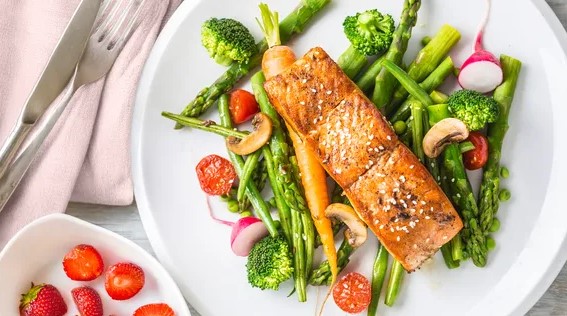
Vegetables: Fill your plate generously with spinach, kale, broccoli, sweet potatoes, cauliflower, and zucchini.
-
Fresh Fruits: Apples, berries, citrus fruits, and bananas are great in moderation for natural sweetness.
-
Quality Protein: Eggs, chicken, turkey, beef, pork, and wild-caught seafood.
-
Healthy Fats: Avocado, extra virgin olive oil, coconut oil, ghee (clarified butter), nuts, and seeds (except peanuts).
Foods You MUST Eliminate
For 30 full days, you must completely avoid the following food groups without exception:
-
Added Sugars: Real or artificial. No maple syrup, honey, agave, stevia, or refined white sugar.
-
Alcohol: None in any form, not even for cooking.
-
Grains: Wheat, oats, rice, quinoa, corn, barley, or rye (including gluten-free options).
-
Legumes: Beans of all kinds, lentils, chickpeas, peanuts, and all soy products (edamame, tofu, soy sauce).
-
Dairy: Cow, goat, or sheep milk products, including cheese, yogurt, sour cream, and butter (ghee is the sole exception).
-
Carrageenan, MSG, or Sulfites: Synthetic additives commonly hidden in processed foods.
-
Recreated “Junk” Foods: You cannot make pancake batter out of almond flour or bake “paleo” brownies. This rule breaks the psychological craving loop, known in the community as eliminating “Sex With Your Clothes On” (SWYCO).
Why Is the Program So Strict? The Science of Gut Health
One of the most common questions my clients ask me is: “Can’t I just have a splash of milk in my morning coffee?”
My answer is always a firm no, and here is why: systemic inflammation and immune response.
When your intestinal wall is compromised by inflammatory compounds like lectins, refined grains, or artificial additives, it can lead to intestinal hyperpermeability—often referred to as a “leaky gut.” When microscopic particles leak into your bloodstream, your immune system views them as foreign invaders and triggers systemic inflammation.
Taking even a single bite of dairy or grain during the program can trigger that inflammatory immune response, effectively resetting your gut’s healing clock. To truly evaluate whether a specific food group is negatively impacting your joint health, skin, energy, or digestion, you must eliminate it completely for a sustained period.
The Hidden Phasing: Elimination vs. Reintroduction
Many beginners view Whole30 as simply a 30-day challenge, finish on day 30, and immediately go back to eating pizza and donuts on day 31. This is the single biggest mistake you can make.
The Whole30 Diet is actually a two-part scientific experiment:
-
Phase 1: Elimination (Days 1–30): The period where you quiet the noise, heal your gut, and establish your baseline health.
-
Phase 2: Systematic Reintroduction (Days 31–40+): The vital period where you reintroduce one food group at a time over several days while keeping the rest of your diet clean.
┌────────────────────────────────────────────────────────────────────────┐
│                        THE TWO-PHASE TIMELINE                          │
├───────────────────────────────────────┬────────────────────────────────┤
│      PHASE 1: ELIMINATION             │    PHASE 2: REINTRODUCTION     │
│          (Days 1 - 30)                │          (Days 31 - 40+)       │
├───────────────────────────────────────┼────────────────────────────────┤
│ Total removal of grains, dairy,       │ Reintroduce ONE group at a     │
│ sugar, legumes, and alcohol.          │ time (e.g., Dairy on Day 31).  │
│                                       │ Monitor reactions for 2 days.  │
│ Objective: Heal gut & stop cravings.  │ Objective: Identify triggers.  │
└───────────────────────────────────────┴────────────────────────────────┘
During reintroduction, you might test non-gluten grains on Monday, then observe how your body feels on Tuesday and Wednesday. If you experience bloating, skin breakouts, or a sudden drop in mood, you have successfully pinpointed a individual food sensitivity. Without the reintroduction phase, you lose 80% of the long-term value of the entire program.
What to Expect: The Timeline of Symptoms
Over my decade of health writing and clinical coaching, I have mapped out a clear pattern of how people respond emotionally and physically to this transition. Knowing what is coming helps you push through the tough days!
| Timeline | Phase Name | Typical Physical & Mental Symptoms |
| Days 1–3 | The Honeymoon & Hangover | Mild motivation turning into sugar-withdrawal headaches and irritability. |
| Days 4–7 | The “Kill Everyone” Phase | Intense cravings as your gut microbiome shifts away from sugar-loving bacteria. |
| Days 8–11 | The Bloat & Fatigue | Digestive changes as your body learns to process higher fat and fiber loads. |
| Days 12–15 | The Slump | Cravings taper off, but energy levels feel unusually flat. Stay patient! |
| Days 16–27 | Tiger Blood | Mental clarity sharpens, skin clears up, and energy stabilizes across the day. |
| Days 28–30 | The Finish Line | Cravings are under control; profound pride and improved relationship with food. |
Expert Advice: Pro Tips & Hidden Warnings
Having guided many individuals through this journey, I have collected critical insights that can mean the difference between throwing in the towel on Day 10 and finishing strong.
💡 Pro Tip: Prioritize Electrolytes & Healthy Fats
When you cut out processed foods and grains, your body sheds excess water weight rapidly, taking sodium and potassium along with it. If you experience headaches or lightheadedness in Week 1, don’t assume you need carbohydrates—you likely need more salt and fat. Add half an avocado to your breakfast, cook with plenty of olive oil, and generously salt your whole foods with quality sea salt.
⚠️ Hidden Warning: Beware of the “Sugar Dragon” Shift
A common trap beginners fall into is relying heavily on dried fruit, nut butters, and fruit juices to satisfy their sugar cravings. While compliant on paper, overconsuming high-sugar fruits prevents your brain from breaking its psychological addiction to sweet flavors. Treat fruit as a side dish or meal accent, not as a substitute for your afternoon candy bar!
Final Thoughts & How to Get Started Today
The Whole30 Diet is not a permanent lifestyle, nor is it a punishment. It is an educational tool designed to give you ultimate control over your health, energy, and palate. By removing inflammatory triggers for 30 days and carefully testing your body’s reaction during reintroduction, you finally discover the exact blueprint for what foods make your unique body thrive.
Preparation is key before you begin. Clear out your pantry, meal-prep compliant proteins and roasted vegetables, and commit to the full process without taking shortcuts.
Now, I want to hear from you! Have you ever attempted the Whole30 Diet, or are you preparing to take on your very first 30-day challenge? What is the biggest food habit or craving you are hoping to overcome? Drop your thoughts, questions, or experiences in the comments below—let’s chat!