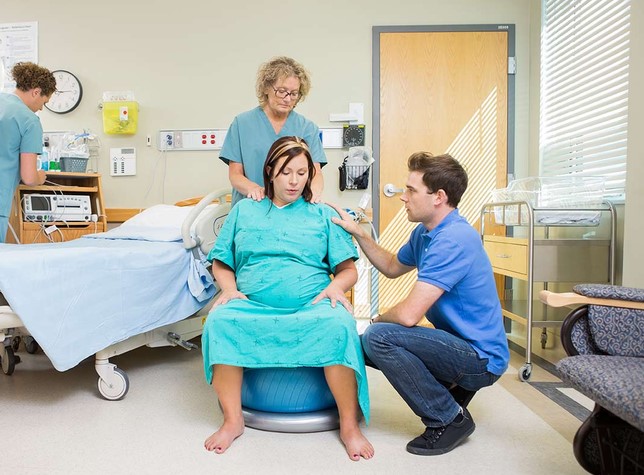
It is 2:15 AM on a rainy Tuesday. You wake up to a sudden, rhythmic tightening in your lower abdomen—or perhaps a mysterious trickling sensation that leaves you staring at the ceiling in mild panic. Your mind starts racing: Is this real labor? Did I pack the right hospital bag? What is actually about to happen to my body?
Over my ten years as a clinical health writer working alongside labor wards and maternity units, I have guided countless expecting parents through this exact moment of overwhelming uncertainty. I have seen birth plans ranging from five-page color-coded spreadsheets to minimalist wish lists, and if there is one universal truth I have learned on the hospital floor, it is this: unrealistic expectations create anxiety, but flexible preparation builds confidence.
Navigating labor and delivery expectations is not about predicting every single second of childbirth—it is about understanding the physiological roadmap so you can make empowered decisions when the moment arrives. Here is your comprehensive guide to what actually happens during birth, decoded with practical insights you won’t always find in standard pregnancy manuals.
Decoding the Stages: What Real Labor Actually Feels Like
Understanding childbirth becomes significantly easier when you picture your body as a marathon runner approaching a steep mountain. The journey is divided into three distinct biological stages, each with its own purpose, sensation, and rhythm.
┌─────────────────────────────────────────────────────────────────────────┐
│                    THE THREE STAGES OF CHILDBIRTH                       │
└─────────────────────────────────────────────────────────────────────────┘
                                     │
       ┌─────────────────────────────┼─────────────────────────────┐
       ▼                             ▼                             ▼
┌──────────────┐              ┌──────────────┐              ┌──────────────┐
│   STAGE 1    │              │   STAGE 2    │              │   STAGE 3    │
├──────────────┤              ├──────────────┤              ├──────────────┤
│ Cervical     │              │ Pushing &    │              │ Placental    │
│ Dilation     │              │ Infant Birth │              │ Delivery     │
│ (0 cm - 10cm)│              │              │              │              │
└──────────────┘              └──────────────┘              └──────────────┘
Stage 1: Cervical Dilation and Effacement
This is the longest phase of childbirth, where your body does the heavy lifting of opening the gateway for your baby.
To understand dilation and effacement, imagine trying to pull a tight turtleneck sweater over a large object. The neck of the sweater must stretch thinner (effacement, measured in percentage) and pull open wider (dilation, measured from 0 to 10 centimeters).
-
Early Labor (0 to 6 cm): Contractions start out gentle, akin to menstrual cramps, lasting 30 to 45 seconds. You can typically talk, walk, and rest at home during this stage.
-
Active Labor (6 to 8 cm): Contractions become intense, hitting every 3 to 4 minutes. This is generally when healthcare providers recommend heading to the birth center or labor unit.
-
Transition (8 to 10 cm): The shortest but most grueling phase. It is intense, fast-paced, and often accompanied by nausea or trembling. This is completely normal—it signals that full dilation is imminent.
Stage 2: The Pushing Phase and Delivery
Once your cervix reaches 10 centimeters, your body transitions from opening to expelling. You will feel an involuntary bearing-down urge, often described as an intense pressure in your rectum. Pushing can take anywhere from 20 minutes for a second-time parent to 2 to 3 hours for a first-time mother.
Stage 3: Delivery of the Placenta
Often called the “afterbirth,” this final stage occurs within 5 to 30 minutes after your baby arrives. Mild contractions resume to detach the placenta from the uterine wall. It requires minimal effort compared to stage two, but it is crucial for preventing postpartum hemorrhage.
Pain Management Options: Epidurals, Gas, and Natural Coping
One of the biggest hurdles in setting realistic labor and delivery expectations is deciding how to handle pain. There is no medal for enduring unmanaged pain, nor is there any shame in choosing medical relief—the best choice is the one that keeps you feeling safe and in control.
┌────────────────────────────────────────────────────────────────────────┐
│                        PAIN MANAGEMENT SPECTRUM                        │
├───────────────────────────────────┬────────────────────────────────────┤
│     NON-PHARMACOLOGICAL           │          PHARMACOLOGICAL           │
├───────────────────────────────────┼────────────────────────────────────┤
│ • Hydrotherapy (Showers/Tubs)     │ • Nitrous Oxide ("Laughing Gas")   │
│ • Counterpressure & Sacral Rubs   │ • IV Analgesics (Short-term relief)│
│ • Rhythmic Breathing & Movement   │ • Epidural / Spinal Block          │
└───────────────────────────────────┴────────────────────────────────────┘
Medical Interventions
-
Epidural Analgesia: A regional block administered into the epidural space of the spine. It numbs the lower body while keeping you awake. Insight: An epidural can lower your blood pressure, so clinical staff will monitor your vitals continuously via intravenous access.
-
Nitrous Oxide: Inhaled self-administered gas that does not dull physical sensation entirely, but rather takes the sharp edge off your anxiety between contractions.
Non-Pharmacological Techniques
-
Hydrotherapy: Warm water relaxes tight muscle tissue and reduces gravity’s strain on your joints.
-
Sacral Counterpressure: Firm, steady pressure applied directly to your lower back with a fist or tennis ball to alleviate severe back labor caused by an occiput posterior (baby facing front) positioning.
Hospital Protocols and Common Medical Interventions
Even with an unmedicated birth plan, clinical conditions can change rapidly. Being informed about common procedure protocols reduces fear if adjustments become necessary.
-
Fetal Heart Rate Monitoring: Continuous or intermittent electronic monitoring tracks your baby’s oxygenation and response to uterine contractions.
-
Pitocin (Synthetic Oxytocin): Used to induce or augment slow labor progression by strengthening contraction intensity and frequency.
-
Assisted Deliveries: The use of a vacuum extractor or forceps to gently guide the baby’s head through the birth canal during prolonged pushing.
-
Cesarean Section (C-Section): A surgical delivery through abdominal incisions, performed when vaginal birth poses risks to mother or baby.
Physical Experience: A Timeline of Labor Progression
| Labor Phase | Average Duration | Contraction Pattern | Primary Sensation / Physical Sign |
| Early Phase | 6 to 12+ hours | 5 to 20 mins apart; mild | Dull backache, loss of mucus plug, light show |
| Active Phase | 4 to 8 hours | 3 to 5 mins apart; strong | Deep pelvic pressure, vocalization, intense focus |
| Transition | 30 to 90 mins | 2 to 3 mins apart; peak intensity | Shivering, hot/cold flashes, urge to push |
| Pushing | 30 mins to 3 hours | 2 to 5 mins apart; expulsion | Stretching “ring of fire,” intense pressure |
Expert Advice: Pro Tips & Hidden Warnings
Having observed labor support from both administrative and personal perspectives over the past decade, I always share two crucial pieces of advice with expecting families:
💡 Pro Tip: The “5-1-1 Rule” for Hospital Arrival
Avoid rushing to the hospital at the very first contraction unless your water breaks or your doctor instructs otherwise. Follow the 5-1-1 Rule: Head to your delivery location when contractions occur 5 minutes apart, lasting for 1 full minute each, consistently over a period of 1 hour. Arriving too early often leads to unnecessary interventions or being sent home to rest.
⚠️ Hidden Warning: Beware the “Third-Trimester Information Overload”
Social media algorithms love showcasing extreme birth stories—either hyper-idealized home births or terrifying medical emergencies. Remember that normal, uncomplicated, empowering births rarely go viral because they don’t generate sensational clicks. Filter your input, trust your care provider, and step away from forums that heighten your anxiety.
Preparing Your Birth Plan with Flexibility
Creating a birth preferences document is an excellent exercise in communication, but remember to treat it as a paving map, not a railroad track. Medical emergencies, fetal positioning, and labor speed can turn a rigid plan upside down in minutes.
Discuss your preferences around cord clamping, skin-to-skin contact, pain management, and room environments with your obstetrician or midwife around week 34 of your pregnancy. Framing your document as “My Preferences” rather than “My Rules” ensures your care team can collaborate effectively while keeping safety as the top priority.
Final Thoughts & Preparing for Day One
Setting healthy labor and delivery expectations is not about eliminating all uncertainty—it is about trusting your body’s physiology while leaning on your medical support team. When you replace fear of the unknown with clear, accurate information, childbirth transforms from an intimidating event into an empowering, life-changing milestone.
Pack your bag early, practice your breathing techniques, and give yourself grace as you enter this incredible season of life.
How are you feeling as your due date approaches? If you are an experienced parent, what is one realistic tip you wish someone had shared with you before your first labor? Share your thoughts, questions, or birth stories in the comments below—let’s support each other!