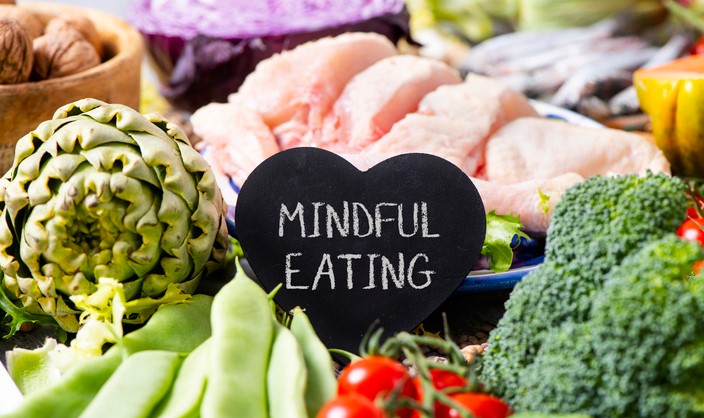
Picture this: You sit down at your desk with a warm, delicious lunch and open a new video or check your emails. Fifteen minutes later, you reach down for another bite, only to find an empty plate. You barely remember tasting the food, yet your stomach feels uncomfortably heavy, bloated, and sluggish for the rest of the afternoon.
If this scenario sounds familiar, you are far from alone.
Over my 10 years writing for the health and medical industry, I have collaborated with clinical dietitians, gastroenterologists, and metabolic health experts. The single most common insight I have gathered is this: millions of people struggle with chronic bloating, low energy, and stubborn weight issues not because of what they eat, but because of how they eat.
We live in a culture obsessed with meal plans, macros, and superfoods. Yet, we completely overlook the foundation of human digestion: the simple act of paying attention. Embracing mindful eating can fundamentally reshape your digestion, metabolic health, and overall relationship with food.
What is Mindful Eating? (Beyond the Wellness Hype)
At its core, mindful eating is not a diet, a restrictive routine, or a list of forbidden foods. It is the practice of cultivating full, non-judgmental awareness of your physical sensations, emotions, and environment while choosing and consuming food.
To understand why this matters, think of your brain and gut as two workers in a busy logistics hub, connected by a direct radio line called the vagus nerve.
When you eat while stressed, driving, or scrolling through social media, that radio line gets filled with loud static. Your brain fails to receive the signals coming from your stomach, leading to overeating and broken digestive processes. When you slow down, you clear the static, allowing your gut-brain axis to communicate in real time.
The Hidden Science: The Cephalic Phase of Digestion
Most people assume digestion starts in the stomach. In reality, your digestive process begins in your head through a biological process known as the cephalic phase of digestion.
When you look at, smell, and anticipate your meal, your central nervous system triggers the release of saliva packed with digestive enzymes like amylase. Simultaneously, your brain sends signals down the vagus nerve to prime your stomach for acid production.
When you rush through a meal while distracted, you bypass this essential priming stage. Undigested food particles arrive in your gastrointestinal tract without the necessary enzymatic preparation, forcing your stomach to work twice as hard and causing uncomfortable gas, reflux, and bloating.
Visualizing the Gut-Brain Line:
[ Visual/Aroma Stimulus ] ➔ [ Brain Priming ] ➔ [ Vagus Nerve Signal ] ➔ [ Optimal Acid & Enzyme Release ]
The Far-Reaching Health Benefits of Mindful Eating
Shifting from mindless consumption to intentional dining offers profound biological benefits that ripple across your entire body:
-
Optimized Hormonal Satiety: It takes roughly 20 minutes for your gut to release satiety hormones like cholecystokinin (CCK) and peptide YY (PYY) while suppressing the hunger hormone ghrelin. Eating slowly gives these biological signals enough time to tell your brain that you are full.
-
Parasympathetic Activation: Digestion requires your body to enter the “rest-and-digest” state, governed by your parasympathetic nervous system. Distracted eating keeps your body in sympathetic dominance (fight-or-flight), reducing blood flow to your digestive organs.
-
Dampened Postprandial Glucose Spikes: Eating at a moderate pace promotes smoother gastric emptying. This helps prevent rapid blood sugar spikes and subsequent energy crashes after meals.
-
Improved Relationship with Food: By learning to differentiate between true biological hunger and emotional triggers (like stress, boredom, or sadness), mindful eating helps put an end to emotional bingeing cycles.
Practical Ways to Practice Mindful Eating Every Day
You do not need to sit in complete silence for an hour to practice mindful eating. Incorporating a few simple habits into your daily routine can yield immediate results:
-
Establish a Screen-Free Table: Turn off the television, put your phone in another room, and close your work tabs. Eliminating screen distraction is the fastest way to lower stress during meals.
-
Engage All Five Senses: Before taking your first bite, pause for five seconds. Take in the colors, textures, aromas, and temperature of your food to trigger your cephalic phase of digestion.
-
Put Your Utensils Down Between Bites: Set your fork or spoon down on the table while chewing. This small physical habit naturally slows down your overall pace.
-
Use the 1-to-10 Hunger Scale: Assess your physical hunger before eating. Aim to sit down when you are at a level 3 or 4 (hungry, but not ravenous) and stop eating at a level 6 or 7 (comfortably satisfied).
Expert Advice: Pro Tips & Hidden Warnings
Drawing from a decade of reviewing clinical nutrition research, here are two critical takeaways every beginner should keep in mind:
Pro Tip: Take Three Deep Belly Breaths Before EatingBefore taking your first bite, sit upright and take three slow, deep diaphragmatic breaths. Deep breathing stimulates the vagus nerve, downregulates stress hormones, and signals your gastrointestinal tract to begin enzyme production.
Hidden Warning: Don’t Turn Mindfulness into Rigid RulesA common trap beginners fall into is treating mindful eating like another strict diet rulebook. If you catch yourself eating quickly or getting distracted, avoid self-criticism or guilt. Mindfulness is about compassionate self-observation, not achieving perfect performance at every single meal.
Reclaiming Joy at the Dinner Table
In a world that constantly glorifies speed, multi-tasking, and constant productivity, slowing down to eat can feel surprisingly challenging. However, paying attention to your food is far more than just a digestive strategy—it is a powerful act of daily self-care that restores real nourishment to your life.
By choosing just one small mindful habit to practice today, you give your body the exact conditions it needs to digest properly, regulate energy naturally, and thrive.
What is one small step you can take during your very next meal to practice mindful eating? Have you noticed how stress or screens affect your digestion? Drop a comment below and let’s discuss!